
Pill Cam Device - EBGCR

Pill Cam Device

Pill Cam Device can aid in the early detection of disorders

During a capsule endoscopy procedure, the patient will swallow a tiny camera that’s about the size of a large vitamin pill. The Pillcam is a capsule you swallow is  designed to examine the small bowel. The PillCam SB system is an ingestible capsule the size of a vitamin. It contains a tiny camera and light source that takes pictures of your small intestine as it travels naturally through your digestive tract. It takes 2 to 6 images per second, generating anywhere from 57,600 to 172,800 pictures in an eight-hour period. The images are then transmitted to a recorder that you wear on a strap across your body. Sensors placed on your stomach or in a sensor belt help transmit these images.

PillCam can aid in the early detection of disorders of the small intestine such as Crohn’s disease, iron deficiency anemia, small bowel tumors, and celiac disease.

Contact Research

Physician Investigator
Photo of Mark Fleisher MD
Gastroenterologist Encore Borland Groover Clinical Research
4800 Belfort Road Jacksonville FL 32256 Contact Research: 9046800871
Return to top.

NERD

NERD Non-Erosive Gastroesophageal Reflux Disease

NERD Non-Erosive Gastroesophageal Reflux Disease

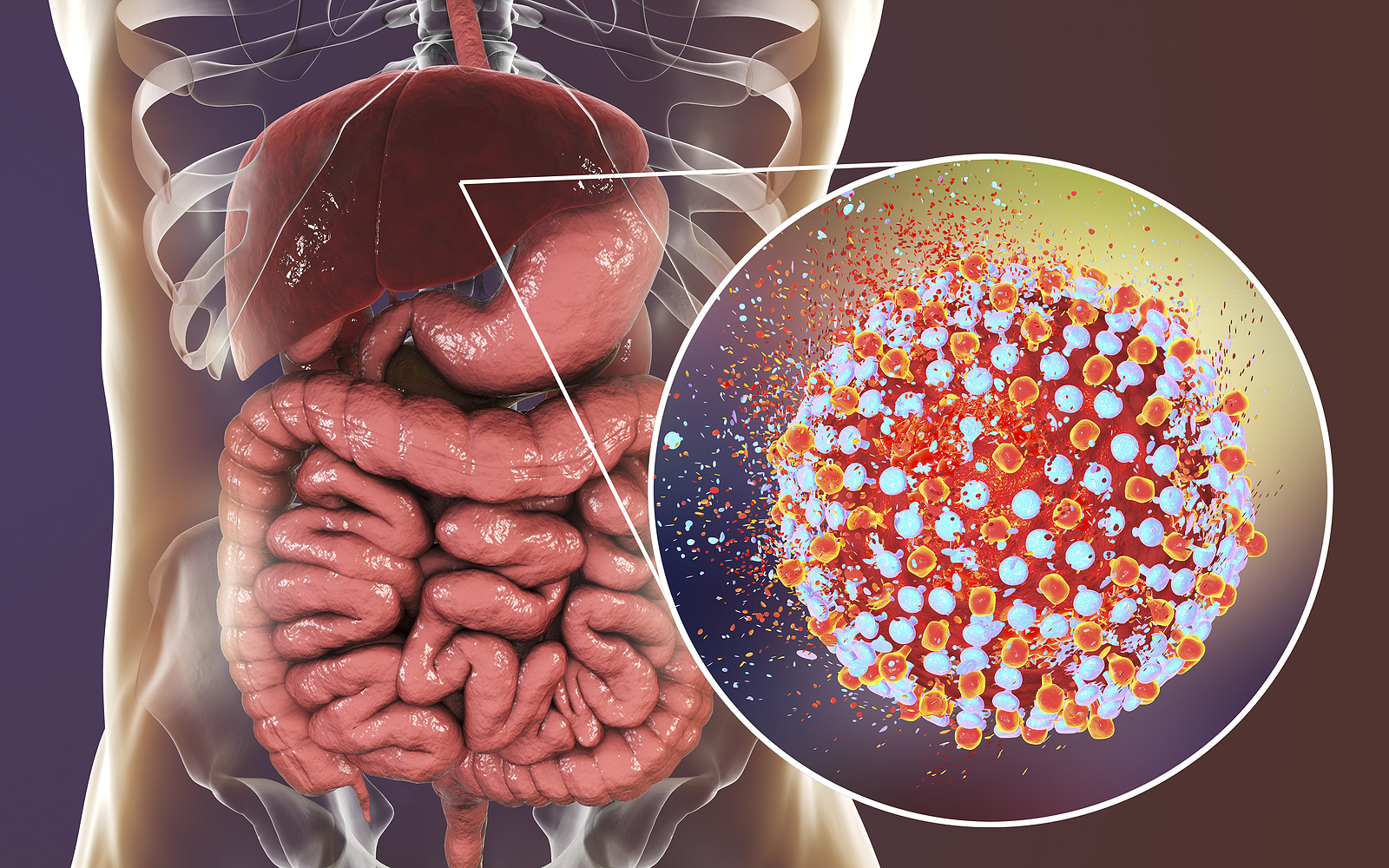
Do you experience symptoms like heartburn, regurgitation, or difficulty swallowing? You may have gastroesophageal reflux disease (GERD), a condition where stomach acid flows back into the esophagus. But if you have these symptoms without any visible damage to the esophageal mucosal lining, you may have non-erosive gastroesophageal reflux disease (NERD).

Doctors can diagnose NERD with an endoscopy, where a camera is inserted into the esophagus to examine the tissue. If there is no damage to the esophageal lining, you may be diagnosed with NERD. It’s worth noting that NERD can range from mild to severe symptoms.

Research shows that around 50-85% of people with reflux-related symptoms but negative endoscopic findings are diagnosed with NERD. And more than two-thirds of all GERD patients have NERD. Accurate diagnosis and appropriate treatment for NERD are crucial to managing symptoms and preventing complications.

Don’t let NERD affect your quality of life. Talk to your doctor and contact Encore Borland Groover Clinical Research (EBGCR) to learn more about clinical trials for persistent reflux-related symptoms.

Contact Research


Physician Investigator
Photo of Bharat K Misra MD
Gastroenterologist and Research Director Encore Borland Groover Clinical Research (EBGCR)
4800 Belfort Road Jacksonville FL 32256 Contact Research: 9046800871
Return to top.

NERD

Erosive Esophagitis

The most common symptoms of esophagitis are heartburn, chest pain and dysphagia (trouble swallowing). If you have been diagnosed with or suspect you may have erosive esophagitis please contact us to learn more about current clinical trials.

A Phase 3, Randomized, Double-Blind, Two-Phase, Multicenter Study to Evaluate the Efficacy and Safety of Vonoprazan 20 mg Compared to Lansoprazole 30 mg for Healing in Patients with Erosive Esophagitis and to Evaluate the Efficacy and Safety of Vonoprazan (10 mg and 20 mg) Compared to Lansoprazole 15 mg for the Maintenance of Healing in Patients with Healed Erosive Esophagitis PROTOCOL NO. EE-301

Photo of Bharat K Misra MD
Gastroenterologist and Research Director Encore Borland Groover Clinical Research (EBGCR)
4800 Belfort Road Jacksonville FL 32256 Contact Research: 9046800871
Return to top.

Contact Research

Difficulty Swallowing and Eosinophilic Esophagitis EoE

Barrett’s Esophagus

The exact cause of Barrett’s esophagus is not fully understood, but long-term GERD is the number one risk factor. Not all people with GERD get Barrett’s esophagus – in fact, it develops in less than 10% of people with GERD. It is more common in people who have had GERD for a long time or who were diagnosed with it at a young age.

Learn more about clinical trials for the diagnosis and treatment of Barrett’s Esophagus.

LUCID DIAGNOSTICS PROTOCOL PR-0139 (EG-CL-101) A Multicenter, Single-Arm Study of the Efficacy of EsoGuard on Samples Collected Using EsoCheck versus Esophagogastroduodenoscopy for the Diagnosis of Barrett’s Esophagus in an At-Risk Screening Population

LUCID DIAGNOSTICS PROTOCOL PR-0138 (EG-CL-102) A Multicenter Case-Control Study of the Efficacy of EsoGuard on Samples Collected Using EsoCheck, versus Esophagogastroduodenoscopy, for the Diagnosis of Barrett’s Esophagus with and without Dysplasia, and for Esophageal Adenocarcinoma

No results.


Contact Research

Colonoscopy Prep

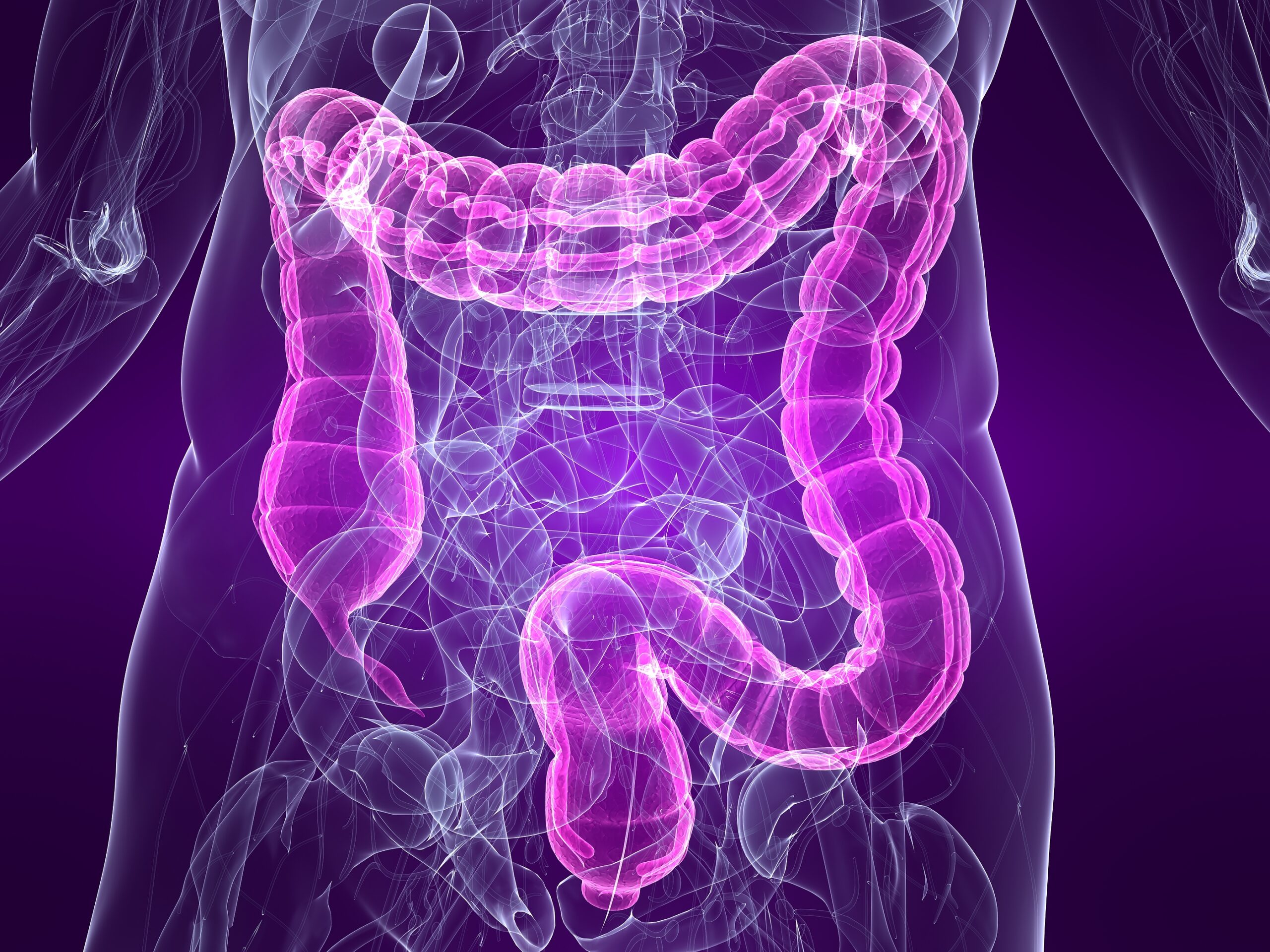
Clinical trials look at new ways to prevent, detect or treat gastrointestinal diseases or conditions, while also providing valuable information about health and disease progress. Colonoscopy is the most important step in the prevention of colon cancer. Colonoscopy is the only colon cancer screening method that allows your gastroenterologist to visualize the entire colon and remove most polyps at the same time.

The most important step prior to your colonoscopy is cleaning out your colon. This will allow your physician to discover and remove polyps. Learn more about a new trial on colonoscopy prep.

Photo of Nydia Sanchez MD
Gastroenterologist Encore Borland Groover Clinical Research
4800 Belfort Road Jacksonville FL 32256 Contact Research: 9046800871
Return to top.

Contact Research

Difficulty Swallowing and Eosinophilic Esophagitis EoE

Difficulty Swallowing EoE

Difficulty Swallowing EoE

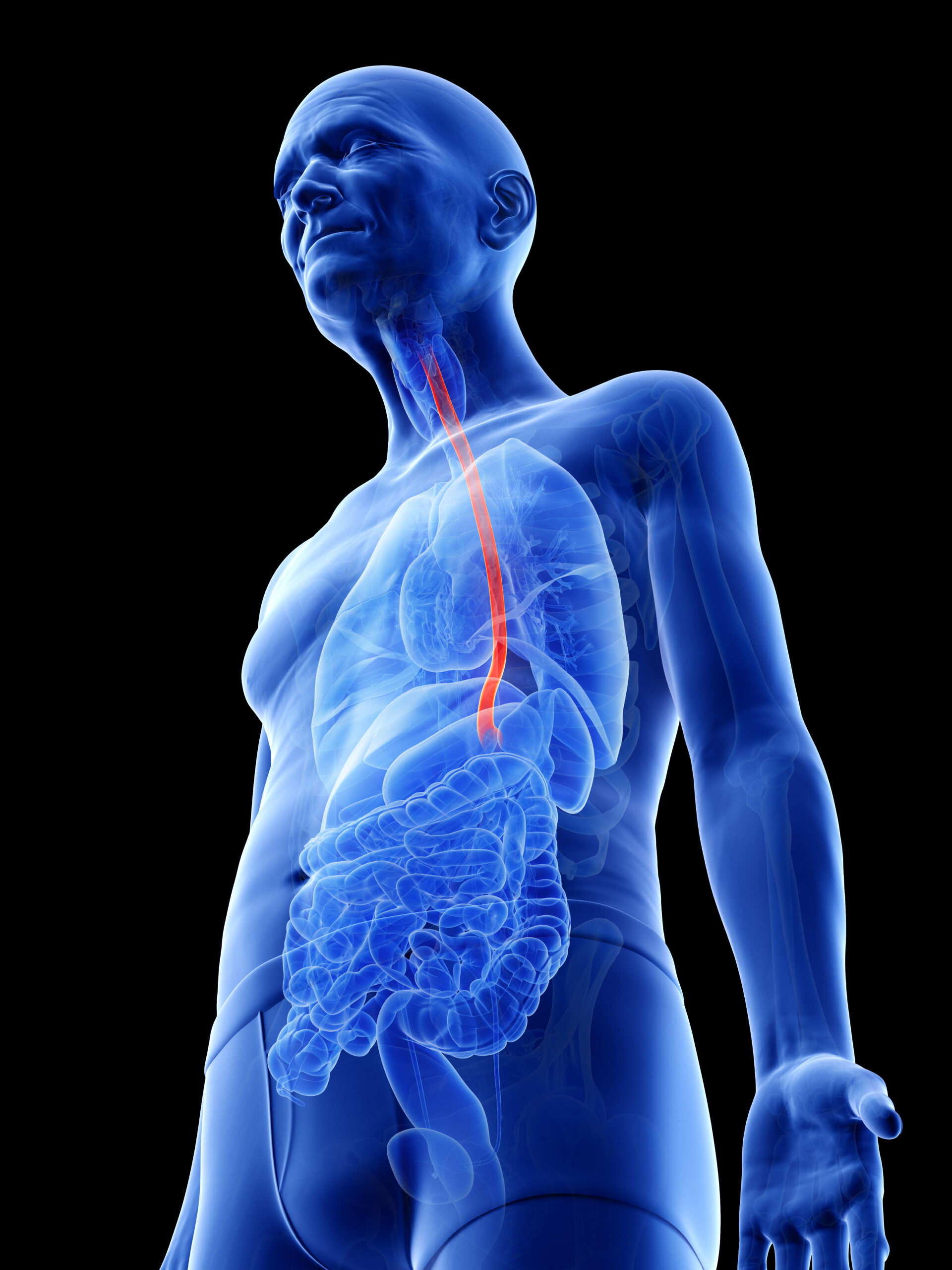
Eosinophilic esophagitis (EoE) is a chronic disease of the esophagus. If you have EoE, white blood cells called eosinophils build up in your esophagus. EOE symptoms can cause damage and inflammation, causing pain, and may lead to difficulty swallowing, food getting stuck in your throat, or dysphagia.

If you have difficulty swallowing or symptoms of EOE, you should have symptoms reviewed by a gastroenterologist.

You may be eligible for a clinical research study if you have a confirmed diagnosis of eosinophilic esophagitis (EoE), eosinophilic gastritis, or eosinophilic duodenitis (EG/EoD).

Contact Research

ClinicalTrials.gov Study Details

Eosinophilic Esophagitis
Clinical Research Protocol AK002-014 A Phase 2/3, Multicenter, Randomized, Double-Blind, Placebo-Controlled Study to Evaluate the Efficacy and Safety of AK002 in Adult and Adolescent Patients with Active Eosinophilic Esophagitis

Photo of Ali Lankarani M.D.
Gastroenterologist Encore Borland Groover Clinical Research
4800 Belfort Road Jacksonville FL 32256 Contact Research: (904) 680-0871
Return to top.
Photo of Michael Ibach MD
Gastroenterologist Encore Borland Groover Clinical Research
Contact Research: 9046800871
Return to top.
Photo of Ben Pineau MD, FRCP
Site Manager and Gastroenterologist Encore Borland Groover Clinical Research
100 Whetstone Place Suite 300 St. Augustine FL 32086 Contact Research: (904) 680-0871 Website: Contact Dr. Pineau
Return to top.

Gastroparesis

Gastroparesis is a condition that affects the normal spontaneous movement of the muscles (motility) in your stomach causing food to stay in your stomach for longer than it should.  Gastroparesis can cause a feeling of fullness, nausea and vomiting.

Encore Borland Groover Research is actively recruiting patient volunteer for a Gastroparesis study in Jacksonville.

ClinicalTrials.gov Study Details
Symptomatic Diabetic or Idiopathic Gastroparesis
Protocol Title: A Phase 2 Randomized, Double-Blind, Placebo-Controlled, Parallel-Group Study of the Safety and Efficacy of NG101 Administered Orally to Patients with Gastroparesis Protocol Number: NG101-201
Contact Research

Photo of Vikram Gopal MD
Gastroenterologist Encore Borland Groover Clinical Research
4800 Belfort Road Jacksonville FL 32256 Contact Research: 9046800871 Gastroparesis: Enrolling Now!
Return to top.

H. Pylori

Helicobacter pylori (H. pylori) is a type of bacteria.

Many researchers believe that H. pylori is responsible for the majority of peptic ulcers, chronic gastritis and increases the risk of developing gastric cancer.

Symptoms of H. pylori may include gnawing or burning pain, nausea, vomiting, or loss of appetite.
ClinicalTrials.gov Study Details
Helicobacter Pylori Infection
A Phase 3 Randomized Multicenter Study to Evaluate the Efficacy and Safety of Open-Label Dual Therapy with Oral Vonoprazan 20 mg or Double-Blind Triple Therapy with Oral Vonoprazan 20 mg Compared to Double-Blind Triple Therapy with Oral Lansoprazole 30 mg Daily in Patients with Helicobacter Pylori Infection

Photo of Bharat K Misra MD
Gastroenterologist and Research Director Encore Borland Groover Clinical Research (EBGCR)
4800 Belfort Road Jacksonville FL 32256 Contact Research: 9046800871
Return to top.

Contact Research

Ulcerative Colitis EBGCR Clinical Research

Ulcerative Colitis

Ulcerative colitis

Ulcerative colitis (UC) is an autoimmune response that causes inflammation and ulcers (sores) in your digestive tract. UC usually affects the rectum and lower part of the colon.

Symptoms of ulcerative colitis can include: diarrhea, abdominal pain, weight loss, inflammation of the eyes and skin.


ClinicalTrials.gov Study Details

Stool Collection Study from Seres


Contact Research

Physician Investigator

Photo of Bharat K Misra MD
Gastroenterologist and Research Director Encore Borland Groover Clinical Research (EBGCR)
4800 Belfort Road Jacksonville FL 32256 Contact Research: 9046800871
Return to top.
Photo of Mark Fleisher MD
Gastroenterologist Encore Borland Groover Clinical Research
4800 Belfort Road Jacksonville FL 32256 Contact Research: 9046800871
Return to top.

Eosinophilic Gastroenteritis/Duodenitis

Eosinophilic Gastroenteritis/Duodenitis


Eosinophilic Gastroenteritis/Duodenitis is a rare disease in which a type of white blood cell, the eosinophil, causes injury and inflammation to the stomach and the small intestine. Eosinophilic gastroenteritis may affect both adults and children. The cause is unknown.

Symptoms:

  • Vomiting, nausea, diarrhea
  • Difficulty feeding and/or gaining weight
  • Poor growth and weight loss
  • Abdominal pain
  • Bloody diarrhea
  • Malnutrition
  • Fatigue

Current Clinical Trials


ClinicalTrials.gov Study Details
Eosinophilic Gastritis and/or Eosinophilic Duodenitis (Formerly Referred to as Eosinophilic Gastroenteritis) (ENIGMA 2)
Clinical Research Protocol AK002-016 A Phase 3, Multicenter, Randomized, Double-Blind, Placebo-Controlled Study to Evaluate the Efficacy and Safety of AK002 in Patients with Moderately to Severely Active Eosinophilic Gastritis and/or Eosinophilic Duodenitis (formerly referred to as Eosinophilic Gastroenteritis) Who Have an Inadequate Response with, Lost Response to, or Were Intolerant to Standard Therapies

Clinical Research Protocol AK002-019 A Prospective Study to Identify the Prevalence of Eosinophilic Gastrointestinal Diseases and Elevated Tissue Mast Cells among Patients with Chronic Gastrointestinal Symptoms

Dr. Lankarani reviews the link between Eosinophilic Gastroenteritis and IBS.

https://vimeo.com/391591255
Contact Research

Photo of Ali Lankarani M.D.
Gastroenterologist Encore Borland Groover Clinical Research
4800 Belfort Road Jacksonville FL 32256 Contact Research: (904) 680-0871
Return to top.