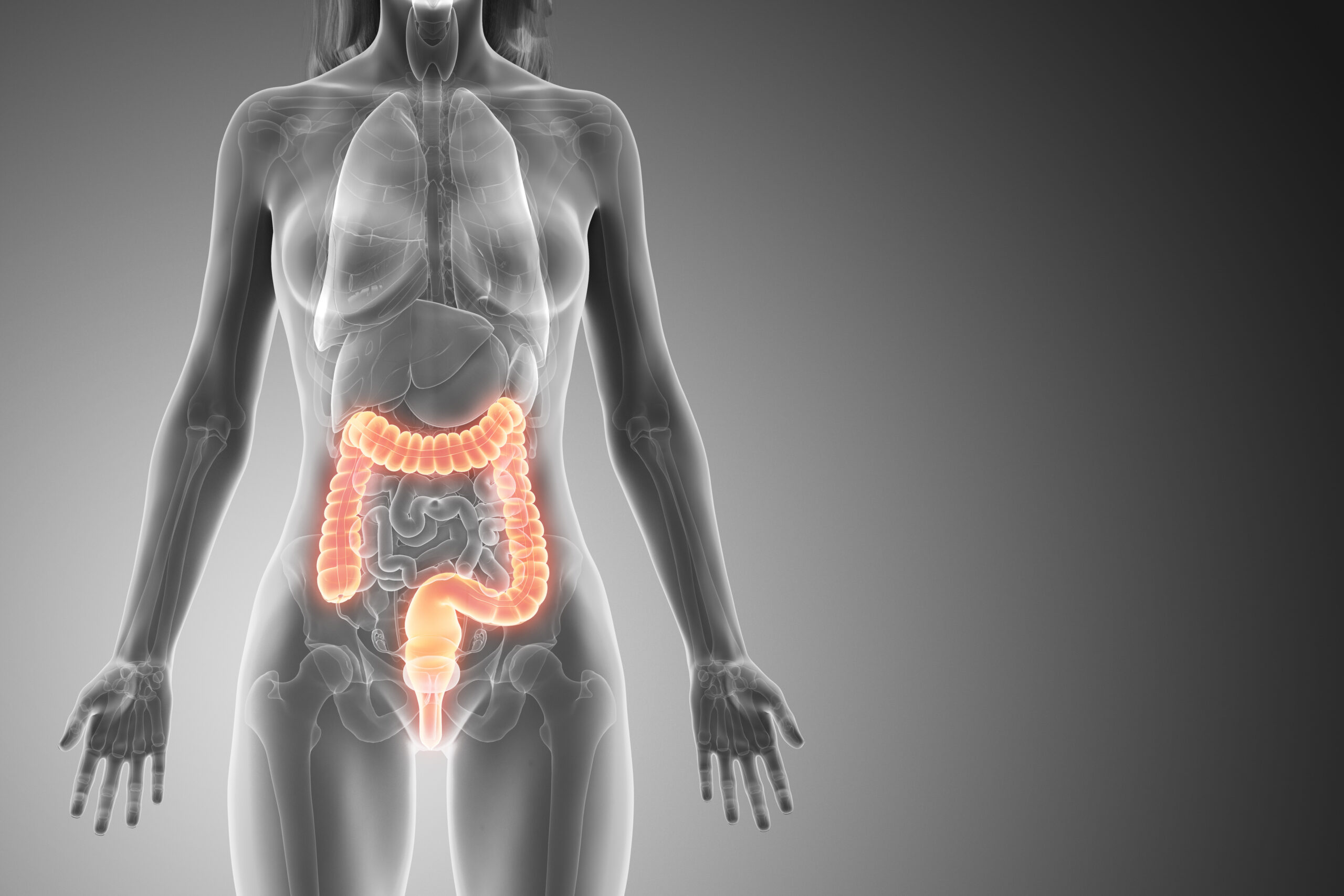
Clinical trials look at new ways to prevent, detect or treat gastrointestinal diseases or conditions, while also providing valuable information about health and disease progress. Colonoscopy is the most important step in the prevention of colon cancer. Colonoscopy is the only colon cancer screening method that allows your gastroenterologist to visualize the entire colon and remove most polyps at the same time.
The most important step prior to your colonoscopy is cleaning out your colon. This will allow your physician to discover and remove polyps. Learn more about a new trial on colonoscopy prep.

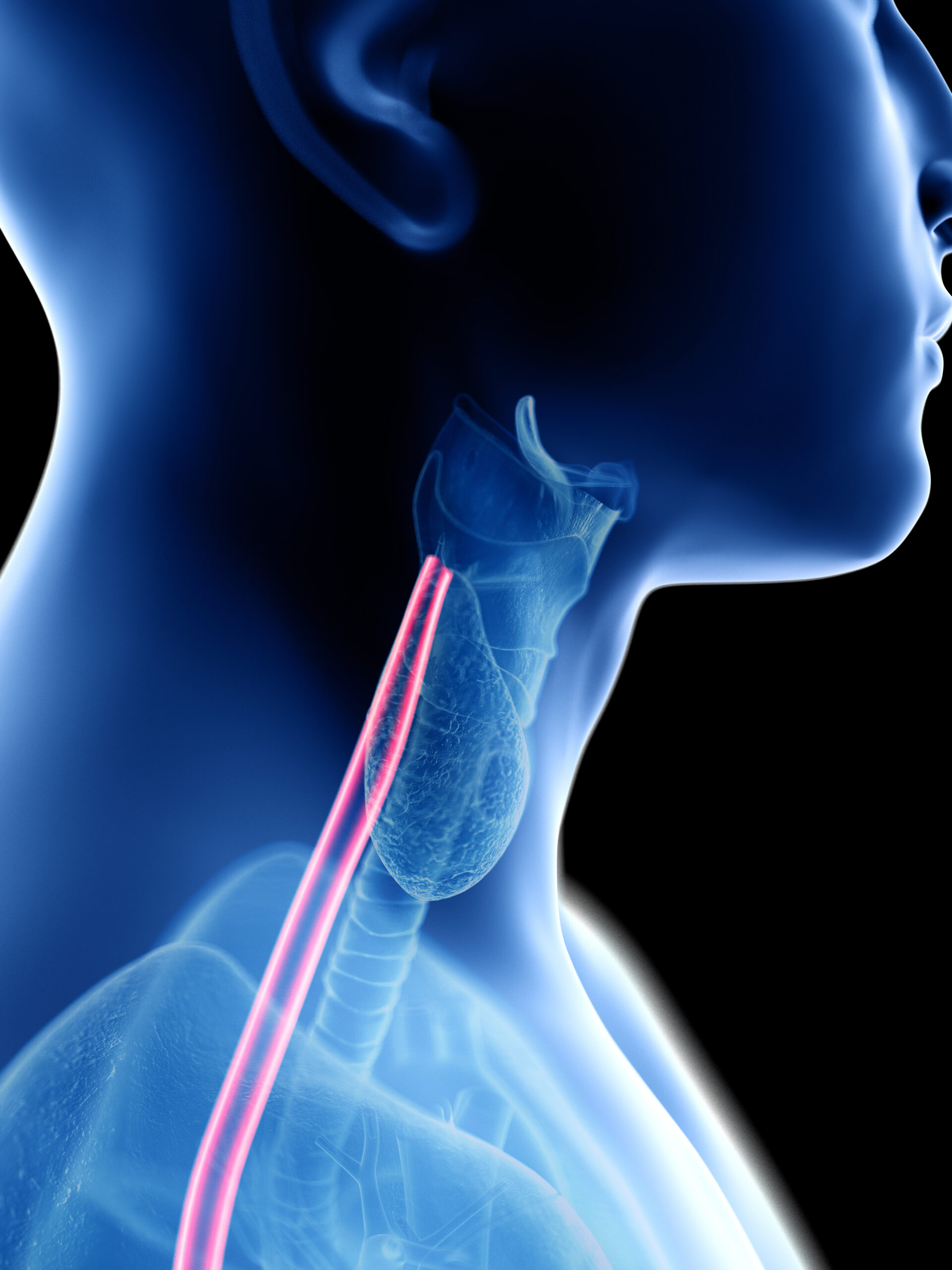
Eosinophilic esophagitis (EoE) is a chronic disease of the esophagus. If you have EoE, white blood cells called eosinophils build up in your esophagus. EOE symptoms can cause damage and inflammation, causing pain, and may lead to difficulty swallowing, food getting stuck in your throat, or dysphagia.
If you have difficulty swallowing or symptoms of EOE, you should have symptoms reviewed by a gastroenterologist.
You may be eligible for a clinical research study if you have a confirmed diagnosis of eosinophilic esophagitis (EoE), eosinophilic gastritis, or eosinophilic duodenitis (EG/EoD).
Eosinophilic Esophagitis
Clinical Research Protocol AK002-014 A Phase 2/3, Multicenter, Randomized, Double-Blind, Placebo-Controlled Study to Evaluate the Efficacy and Safety of AK002 in Adult and Adolescent Patients with Active Eosinophilic Esophagitis
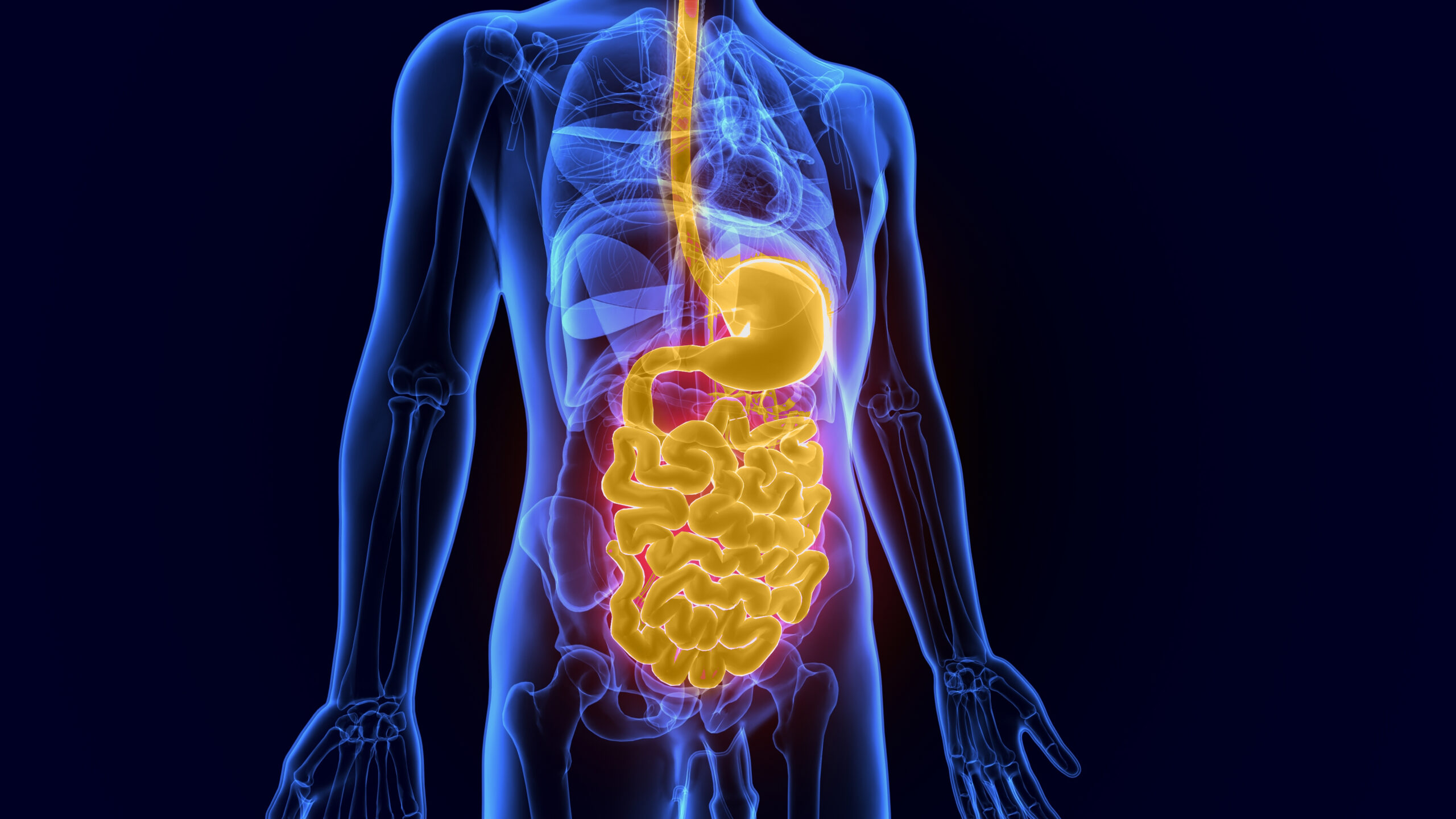
Gastroparesis is a condition that affects the normal spontaneous movement of the muscles (motility) in your stomach causing food to stay in your stomach for longer than it should. Gastroparesis can cause a feeling of fullness, nausea and vomiting.
Encore Borland Groover Research is actively recruiting patient volunteer for a Gastroparesis study in Jacksonville.
ClinicalTrials.gov Study Details Symptomatic Diabetic or Idiopathic Gastroparesis
Protocol Title: A Phase 2 Randomized, Double-Blind, Placebo-Controlled, Parallel-Group Study of the Safety and Efficacy of NG101 Administered Orally to Patients with Gastroparesis Protocol Number: NG101-201 Contact Research
Helicobacter pylori (H. pylori) is a type of bacteria.
Many researchers believe that H. pylori is responsible for the majority of peptic ulcers, chronic gastritis and increases the risk of developing gastric cancer.
Symptoms of H. pylori may include gnawing or burning pain, nausea, vomiting, or loss of appetite. ClinicalTrials.gov Study Details Helicobacter Pylori Infection
A Phase 3 Randomized Multicenter Study to Evaluate the Efficacy and Safety of Open-Label Dual Therapy with Oral Vonoprazan 20 mg or Double-Blind Triple Therapy with Oral Vonoprazan 20 mg Compared to Double-Blind Triple Therapy with Oral Lansoprazole 30 mg Daily in Patients with Helicobacter Pylori Infection
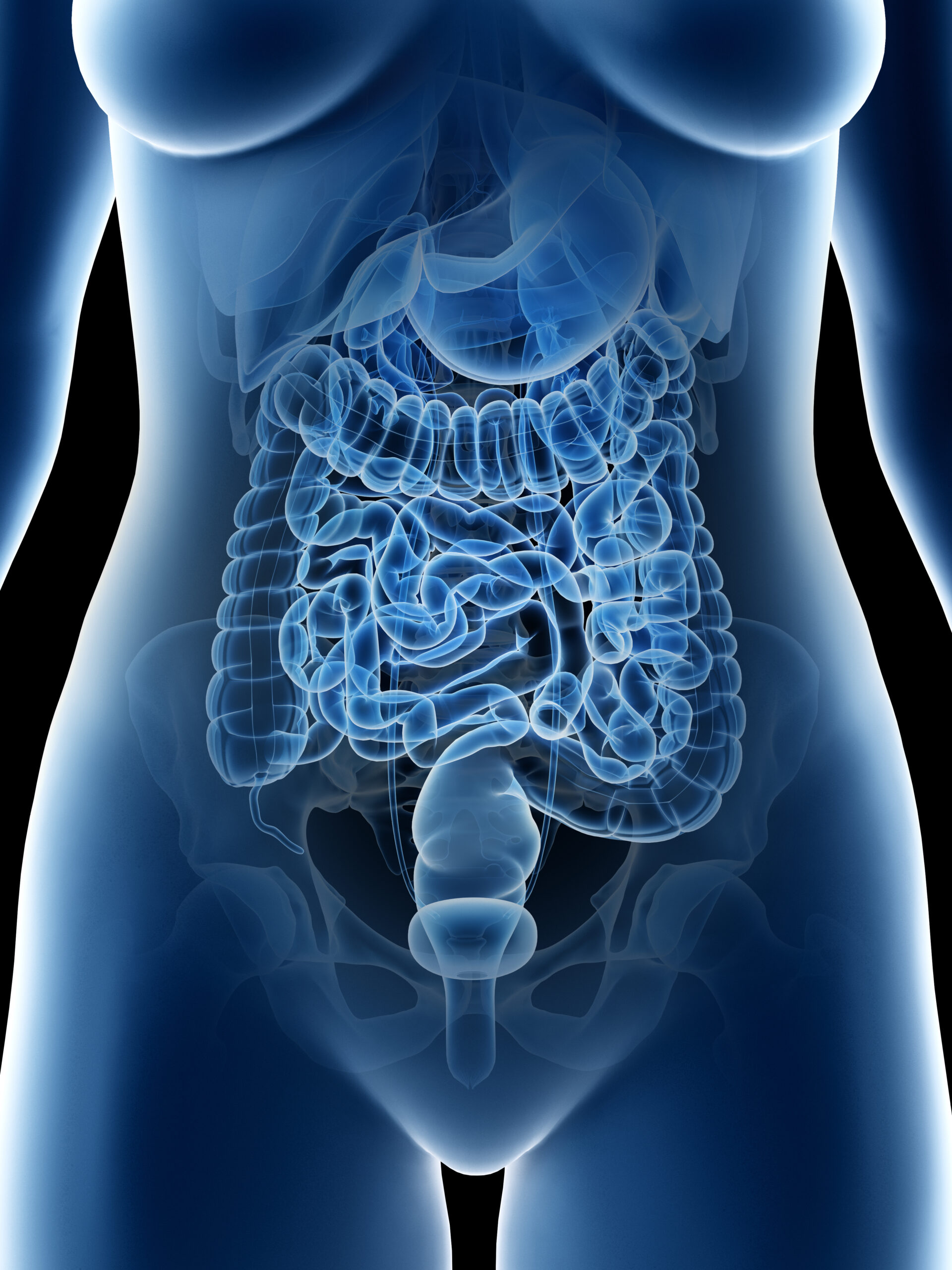
Ulcerative colitis (UC) is an autoimmune response that causes inflammation and ulcers (sores) in your digestive tract. UC usually affects the rectum and lower part of the colon.
Symptoms of ulcerative colitis can include: diarrhea, abdominal pain, weight loss, inflammation of the eyes and skin.
Eosinophilic Gastroenteritis/Duodenitis is a rare disease in which a type of white blood cell, the eosinophil, causes injury and inflammation to the stomach and the small intestine. Eosinophilic gastroenteritis may affect both adults and children. The cause is unknown.
Symptoms:
Vomiting, nausea, diarrhea
Difficulty feeding and/or gaining weight
Poor growth and weight loss
Abdominal pain
Bloody diarrhea
Malnutrition
Fatigue
Current Clinical Trials
ClinicalTrials.gov Study Details Eosinophilic Gastritis and/or Eosinophilic Duodenitis (Formerly Referred to as Eosinophilic Gastroenteritis) (ENIGMA 2)
Clinical Research Protocol AK002-016 A Phase 3, Multicenter, Randomized, Double-Blind, Placebo-Controlled Study to Evaluate the Efficacy and Safety of AK002 in Patients with Moderately to Severely Active Eosinophilic Gastritis and/or Eosinophilic Duodenitis (formerly referred to as Eosinophilic Gastroenteritis) Who Have an Inadequate Response with, Lost Response to, or Were Intolerant to Standard Therapies
Clinical Research Protocol AK002-019 A Prospective Study to Identify the Prevalence of Eosinophilic Gastrointestinal Diseases and Elevated Tissue Mast Cells among Patients with Chronic Gastrointestinal Symptoms
Dr. Lankarani reviews the link between Eosinophilic Gastroenteritis and IBS.
C. Difficile or Clostridioides difficile
CDIFF According to the CDC
Clostridioides difficile (also known as C. diff or CDIFF) is a bacterium that causes diarrhea and colitis (an inflammation of the colon).
It’s estimated to cause almost half a million illnesses in the United States each year.
About 1 in 6 patients who get C. diff will get it again in the subsequent 2-8 weeks.
Within a month of diagnosis, 1 in 11 people over age 65 died of a healthcare-associated C. diff infection.
PRISM-EXT: An Open-Label Extension of CP101 Trial Evaluating Oral FullSpectrum Microbiota® (CP101) in Subjects with Recurrence of Clostridium difficile Infection
Non Alcoholic Steatohepatitis (NASH) is a type of fatty liver disease, characterized by inflammation of the liver with concurrent fat accumulation in liver.
NASH is closely related to the triple epidemic of obesity, pre-diabetes, and diabetes. If you are living with NASH you may qualify for a clinical research study.
MASH is the advanced stage of MASLD. MAFLD is a type of metabolic syndrome characterized by being overweight or obese, elevated blood pressure, blood lipids, and either diabetes or pre-diabetes. Researchers believe that oxidative stress, inflammatory proteins, liver cell damage, adipose tissue inflammation, and the gut microbiota may contribute to its development.
Inflammatory bowel disease (IBD) is a term for two conditions (Crohn’s disease and ulcerative colitis) that are characterized by chronic inflammation of the gastrointestinal (GI) tract. Inflammation affects the entire digestive tract in Crohn’s disease and only the large intestine (also called the colon) in ulcerative colitis
Crohn’s symptoms can be constant and isolating. Our new clinical studies are investigating potential treatment options.
Learn more about current Crohn’s disease or Ulcerative Colitis research trials.
ClinicalTrials.gov Study Details Crohn’s Clinical Trial ABBV M14-431
Clinical Study Protocol M14-431 A Multicenter, Randomized, Double-Blind, Placebo-Controlled Induction Study of the Efficacy and Safety of Upadacitinib (ABT-494) in Subjects with Moderately to Severely Active Crohn’s Disease Who Have Inadequately Responded to or are Intolerant to Biologic Therapy Crohn’s Clinical Trial ABBV M14-433
Clinical Study Protocol M14-433 A Multicenter, Randomized, Double-Blind, Placebo-Controlled Induction Study of the Efficacy and Safety of Upadacitinib (ABT-494) in Subjects with Moderately to Severely Active Crohn’s Disease Who Have Inadequately Responded to or are Intolerant to Conventional and/or Biologic Therapies
ARENA: Principal Investigator: Dr. Munoz Etrasimod S1P receptor modulator to treat Immune-mediated Inflammatory disorders. for Moderate to Severe Crohn’s Disease.
Treatment or conventional treatment. Etrasimod is a synthetic S1P receptor modulator given orally. 18-80 YOA
Dr. Juan Munoz is a gastroenterologist. He received his medical degree from Complutense University of Madrid and has been in practice for over 12 years.
Dr. Munoz is board certified in gastroenterology and has special interest and expertise in the treatment and care of the following digestive health concerns: acid reflux disease (gastroesophageal reflux / GERD), constipation, hepatitis c, irritable bowel syndrome (IBS), ulcerative colitis and others. Dr. Munoz provides advanced endoscopy procedures, esophageal and hemorrhoidal banding.
Dr. Merritt helps patients understand and manage gastrointestinal disorders such as early GI malignancies, IBD, and pancreatic diseases, from diagnosis and staging to treatment. Dr. Merritt also practices general gastroenterology, including colorectal cancer screening and other gastrointestinal concerns including, the management of peptic ulcer disease, fatty liver, diarrhea, constipation, celiac disease, and SIBO.